
The cannabis industry has grown significantly over the last decade, leading many to wonder about the profitability of dispensaries. While dispensaries can generate substantial revenue, their success is influenced by several factors ranging from location to operational efficiency. Below, we explore these factors in detail.
Factors That Influence Dispensary Profitability
- Proximity to high-demand areas such as urban centers or tourist hotspots can drive more foot traffic.
- Zoning regulations and local laws often dictate where dispensaries can operate, which may limit location options.
- Limited competition in a given area often increases profitability potential.
- Catering to medical patients vs. recreational users often influences pricing, product range, and marketing strategies.
- Building a loyal customer base through excellent service and product quality can lead to repeat business and sustained growth.
- Stringent compliance requirements can drive up costs for licensing and operations.
- State-specific tax policies on cannabis products directly impact profit margins.
- Effective inventory management ensures popular products remain in stock without tying up unnecessary capital in excess inventory.
- Optimized staffing levels reduce payroll expenses while maintaining customer satisfaction.
- Use of technology such as point-of-sale systems tailored for cannabis businesses improves overall efficiency.
- A diverse range of products like flower, edibles, concentrates, tinctures, and topicals attracts a broader audience.
- Competitive pricing combined with premium offerings ensures both affordability for customers and higher margins for the business.
- Strong branding helps differentiate a dispensary in a crowded market.
- Digital marketing strategies like SEO-optimized websites or social media campaigns ensure visibility to target demographics.
Financial Metrics: Assessing Profitability
| Financial Metric | Definition | Importance |
| Gross Margin | Revenue minus cost of goods sold (COGS). | Indicates product-level profitability. |
| Operating Expenses | Costs related to day-to-day operations (rent, utilities, salaries). | Helps measure operational efficiency. |
| Net Profit | Total revenue after all expenses are deducted. | The ultimate measure of profitability. |
| Average Transaction Size | The average value of each customer’s purchase during one visit. | Reflects opportunities for upselling or cross-selling. |
Challenges That May Impact Profitability
- Federal Illegality: Cannabis remains illegal at the federal level in the U.S., making it difficult to access banking services or secure traditional loans.
- High Taxes: Excise taxes specific to cannabis products can eat into profits significantly; some states impose tax rates exceeding 30%.
- Market Saturation: In states with legal cannabis markets that have matured over time (e.g., Colorado), oversupply may result in price wars that reduce margins.
Tips for Improving Dispensary Profitability
To navigate these challenges and maximize success:
– Focus on customer education through workshops or consultations led by trained staff members, enhancing trust and loyalty. – Consider partnering with local cultivators for exclusive strains or products that set your dispensary apart from competitors. – Regularly analyze sales data to identify trends in consumer preferences and adjust inventory accordingly.
By addressing these factors strategically while leveraging opportunities within a growing market segment, dispensaries have strong potential to achieve significant profitability despite regulatory hurdles or competitive pressures they may face.
Exploring the Growth of the Marijuana Dispensary Staten Island Industry
The cannabis industry has experienced remarkable growth over the past decade, driven by legalization efforts across multiple regions, increasing consumer acceptance, and advancements in product development. This growth has transformed the cannabis sector into a lucrative market with diverse opportunities for businesses, especially dispensaries. Here’s an in-depth look at the factors driving this growth and what it means for those interested in this thriving industry.
Key Drivers of Growth
- Legalization Trends
The gradual legalization of both medical and recreational cannabis has opened doors for entrepreneurs to enter previously uncharted markets. Countries like Canada and states across the U.S., such as California, Colorado, and Illinois, have seen significant economic benefits from legalization efforts. - Changing Public Perception
A growing body of research supporting cannabis’s medical benefits has shifted public opinion. Social stigma is declining as more individuals recognize its value beyond recreational use. - Product Diversification
The availability of a wide range of cannabis products—including edibles, tinctures, topicals, concentrates, and beverages—has attracted a diverse customer base. These options allow businesses to cater to both experienced users and newcomers with varying preferences. - Economic Potential
Governments are motivated by tax revenue generated from legal cannabis sales. According to some estimates, legal cannabis sales in North America alone exceeded $30 billion annually by 2023.
Market Insights
| Metric | Statistic (2023) | Growth Trend |
| Global Cannabis Market Size | $60 billion+ | Expected CAGR: ~20% (2023-2030) |
| U.S. Legal Cannabis Sales | $30 billion+ | Projected $50 billion by 2030 |
| Jobs Created | ~500k positions | Expanding workforce annually |
These numbers reflect not only increasing demand but also greater job creation within cultivation facilities, retail dispensaries, logistics operations, technology startups focused on compliance solutions, and more.
Emerging Opportunities
- Wellness & Health Focus
With more consumers turning to natural remedies for stress relief or chronic pain management, CBD-infused products continue gaining popularity in wellness-focused segments. - Sustainability Practices
Eco-conscious consumers prefer brands prioritizing sustainable cultivation methods or minimal packaging waste—a key differentiation factor for dispensary success. - Technology Integration
Advanced software solutions tailored specifically toward inventory tracking compliance ensure smoother operations while reducing regulatory risks for licensed stores. - Education-Focused Approaches
Educating customers about different strains’ effects builds loyalty while improving satisfaction rates among first-time buyers unfamiliar with product categories available today.
The cannabis industry’s rapid expansion presents enormous opportunities alongside challenges such as complying with complex regulations or staying competitive amidst rising competition levels globally
The Rise of Legal Cannabis and Its Impact on Dispensaries
The legalization of cannabis has been a transformative shift in both the economy and society, driving significant changes in how dispensaries operate. From regulatory challenges to unprecedented market growth, the rise of legal cannabis has created opportunities while reshaping perceptions and policies. Below, we explore the key impacts of legalization on dispensaries and their broader implications.
Increased Market Demand
- Evolving Public Perception: The stigma once associated with cannabis use has diminished, encouraging more people to explore its benefits.
- Expanded User Base: Legalization attracts both experienced users as well as first-time consumers who feel more comfortable purchasing from regulated sources.
- Product Diversity: Dispensaries now offer a wide array of products—such as edibles, tinctures, concentrates, and topicals—which appeal to diverse consumer preferences.
| Year | Number of States with Legal Cannabis Markets | Estimated U.S. Sales (in billion USD) |
| 1 | 25 | 6.7 |
| 2 | 36 | 25 |
| 3 | 38 | ~33 |
Regulatory Frameworks Shape Operational Models
- Licensing Requirements: Securing a license to operate legally often involves high costs and lengthy processes.
- Compliance Management: Regular inspections, security protocols, seed-to-sale tracking systems, and financial reporting are mandatory for most legal markets.
- Zoning Restrictions: Many jurisdictions impose limits on where dispensaries can be located (e.g., distance from schools or residential areas).
While these regulations can be burdensome, they also help build trust among consumers by ensuring product quality and safety.
Economic Growth Opportunities
- Job Creation: The industry supports thousands of jobs—ranging from cultivation experts to retail staff.
- Tax Revenue Generation: Local governments benefit from taxes levied on cannabis sales. For example:
- Colorado collected over $2 billion in marijuana tax revenue since its legalization in 2014.
- States like California have adopted tiered taxation models to maximize revenue potential.
- Tourism Boosts: Some regions experience a spike in tourism due to people visiting areas known for their progressive cannabis policies.
Challenges Facing Dispensaries Post-Legalization
- Federal laws do not recognize cannabis businesses as legitimate under tax codes like Section 280E in the U.S., meaning they cannot deduct many standard business expenses.
- Effective tax rates for dispensary operators can exceed those faced by traditional retailers.
- Even with legal markets flourishing, unregulated sellers often undercut prices due to lower operational costs—posing competition for licensed businesses.
- Many banks remain hesitant about working with cannabis-related companies due to federal restrictions.
Future Outlook
As more governments adopt pro-cannabis policies globally, the industry will continue evolving at a rapid pace. Dispelling stigma through education campaigns while addressing issues like taxation inequities could unlock even greater potential for dispensaries within this expanding sector.

The Economics of Running a Successful Staten Island Dispensary Business
The cannabis dispensary market is a rapidly growing sector with significant profit potential. However, running a successful dispensary requires careful attention to the economic factors that influence profitability and sustainability. Below, we explore the key aspects of running a dispensary business, including costs, revenue drivers, operational challenges, and strategies for long-term success.
Key Costs Associated with Operating a Dispensary
- Licensing fees (can range from $5,000 to over $100,000 depending on location)
- Real estate or leasing costs
- Renovation and security installation (e.g., surveillance systems)
- Inventory procurement
- Employee salaries and benefits
- Utilities such as electricity (especially for storage facilities requiring strict temperature controls)
- Marketing and advertising efforts
- Software systems for sales tracking and compliance
- Regulatory Fees:
Continuous compliance with local and state regulations often requires recurring costs related to inspections, renewing licenses, and reporting.
Profit Margins in the Dispensary Business
Profit margins in dispensaries vary based on several factors: – The average gross profit margin for cannabis products typically ranges between 50% to 80%, with higher margins often found in vertically integrated businesses that grow their own products. – However, high taxes (including excise taxes at the state level) can significantly impact net profitability. Careful financial planning is critical to ensure healthy returns.
Revenue Drivers for Dispensaries
Dispensaries generate revenue through multiple product categories: 1. Flower Sales: Cannabis flower remains one of the most popular items sold in dispensaries. 2. Edibles: These include gummies, chocolates, baked goods, and beverages. 3. Vape Products: Pre-filled vape cartridges appeal to consumers seeking convenience. 4. Concentrates: Products like waxes or oils attract experienced users looking for potency. 5. Merchandise: Some dispensaries add branded merchandise or accessories as an additional revenue stream.
| Product Type | Average Contribution to Revenue (%) |
| Cannabis Flower | ~40% |
| Edibles | ~25% |
| Vape Products | ~20% |
| Concentrates | ~10% |
| Merchandise/Other | ~5% |
Diversifying product offerings ensures broader customer appeal while maximizing revenue potential.
Balancing Compliance with Profitability
One of the most significant challenges for any dispensary is balancing regulatory compliance with profitability: – Strict regulations govern everything from packaging requirements to advertising restrictions. – Non-compliance can lead to fines or revocation of licenses—an outcome that can devastate operations. – Investing in compliance tools and legal expertise helps mitigate risks associated with regulatory oversight.
Tips for Financial Success
To improve profitability while maintaining operational efficiency: – Focus on customer retention by offering loyalty programs or discounts for repeat buyers. – Regularly evaluate pricing strategies based on competitor data and consumer preferences. – Leverage technology such as point-of-sale systems tailored specifically for cannabis businesses to streamline operations. – Build relationships with trusted suppliers who offer competitive rates without sacrificing quality.
Running a successful dispensary involves understanding its unique economics while maintaining strong business principles. By managing costs carefully, diversifying revenue streams, ensuring compliance, and focusing on customer experience, operators can position themselves as leaders in this dynamic industry.
Revenue Streams for Dispensaries and How to Maximize Them
Dispensaries operate in a lucrative but competitive market, requiring careful planning and diversification of revenue streams. By tapping into multiple sources of income, dispensaries can enhance profitability while catering to a broad customer base. Below are the primary revenue streams available to dispensaries along with strategies to maximize them.
1. Retail Cannabis Sales
Retail sales form the backbone of most dispensary businesses. This includes products like flower, edibles, concentrates, topicals, and pre-rolls.
- Popular Products: High-THC strains, CBD-rich options, and hybrid blends are consistently in demand.
- Strategically curate inventory based on local consumer preferences.
- Offer limited-time promotions for new or seasonal products.
- Maintain a balance between high-margin premium products and affordable options.
2. Ancillary Product Sales
- Rolling papers
- Vaporizers
- Storage containers
- Grinders and pipes
How to Maximize This Stream: – Display these items near checkout counters to encourage impulse purchases. – Bundle accessories with cannabis products (e.g., selling pre-rolls with rolling papers). – Leverage branding opportunities by creating branded merchandise such as T-shirts or reusable jars.
3. Loyalty Programs and Memberships
Introducing loyalty programs can ensure repeat business while boosting customer engagement.
Strategies for Success: – Offer rewards points for every purchase that can be redeemed for discounts or free products. – Provide exclusive deals or early product access to members. – Regularly communicate personalized offers through email or SMS marketing campaigns.
4. Cannabis Education Services
As cannabis continues to gain mainstream acceptance, many consumers seek education on its benefits, usage methods, and product types. Offering educational services is both a revenue opportunity and a way to build trust with customers.
Examples include: | Service Type | Potential Format | |———————-|————————-| | Workshops | In-person or virtual | | One-on-one sessions | Personalized consultations | | Informational guides | Printed material or digital content |
Charging nominal fees for in-depth sessions or selling branded educational resources is one way to monetize this stream further.
5. Online Sales (Where Permitted)
If local regulations allow it, online ordering can open up significant revenue opportunities for dispensaries.
- Ensure your website is user-friendly and mobile-responsive.
- Offer delivery services or curbside pickup options for convenience.
6. Partnerships with Local Businesses
Collaborating with complementary businesses can help expand the customer base while increasing sales indirectly.
Examples include: – Partnering with wellness centers (yoga studios, gyms) by providing discounted products tailored to health-conscious consumers. – Working alongside local restaurants for infusion events (e.g., cannabis cooking classes).
Key Takeaways
Maximizing revenue streams requires innovation, an understanding of customer needs, and adaptability in response to market trends. By diversifying income sources through retail sales, ancillary products, memberships, education services, online platforms (where permissible), and strategic partnerships, dispensaries can strengthen their position in an evolving industry while maintaining sustained profitability.
Tax Implications for Dispensaries and Navigating Compliance Challenges
Operating a dispensary can be financially rewarding, but it is also associated with complex tax regulations and compliance challenges. The cannabis industry operates under unique legal conditions, which significantly impact how dispensaries manage their finances. Understanding these implications is crucial for staying compliant with state and federal laws while maintaining profitability.
Tax Code 280E and Its Impact on Dispensaries
One of the most significant hurdles for dispensaries in the United States is the federal tax code 280E. This regulation prohibits businesses involved in the trafficking of Schedule I or II controlled substances (including cannabis) from deducting common business expenses on their federal taxes. As a result, dispensaries face higher effective tax rates compared to traditional businesses.
Key points about 280E include: – Dispensaries cannot deduct rent, utilities, salaries (non-production staff), marketing expenses, or other typical operational costs. – The only deductible expenses are those directly tied to the cost of goods sold (COGS), such as inventory purchases or production-related costs for cultivators. – Effective tax rates for dispensaries often exceed 70% due to these restrictions.
Dispensary owners must carefully monitor their expense classifications and work closely with accountants familiar with cannabis taxation to remain compliant.
State-Level Taxes on Cannabis Sales
While federal taxation poses difficulties, state-level taxes also represent a burden for dispensary owners. These include: 1. Excise Taxes: Most states impose excise taxes on cannabis sales. Rates vary but typically range between 10% and 37%. 2. Sales Taxes: In addition to excise taxes, standard state sales taxes may apply to all cannabis products. 3. Local Taxes: Cities and counties often introduce additional cannabis-specific taxes that further increase overhead costs.
| State | Excise Tax Rate | Sales Tax Rate |
| California | 15% | Varies (~8-10%) |
| Colorado | 15% | Standard rate (~2.9%) + local taxes |
| Illinois | Ranges from 10%-25% based on THC content | Standard rate (~6.25%) + local rates |
Dispensary operators must factor these combined rates into pricing strategies while maintaining competitive offers for customers.
Compliance Challenges in Cannabis Taxation
- Accurate records of all transactions are essential.
- Inventory control systems are often mandated by state law (e.g., seed-to-sale tracking).
- Due to limited access to banking services resulting from federal restrictions, many dispensaries operate primarily in cash, complicating financial tracking and increasing security risks.
- Cannabis businesses face frequent audits from both the IRS and state agencies.
- Meticulous preparation is necessary to avoid penalties or fines during audits.
- States regularly update tax policies regarding cannabis sales as they refine legal frameworks.
- Staying informed about regulatory changes is vital to avoid non-compliance issues.
Strategies for Navigating Taxation Challenges
- Invest in competent legal counsel or accountants experienced in cannabis law.
- Implement advanced accounting software designed specifically for cannabis businesses.
- Focus on reducing taxable income legally by maximizing COGS through proper expense classification.
- Monitor legislative updates at both state and federal levels to adjust business operations as needed.
By proactively addressing these challenges and seeking professional guidance when necessary, dispensary owners can better navigate the intricate world of taxation while ensuring long-term success within this rapidly growing industry.
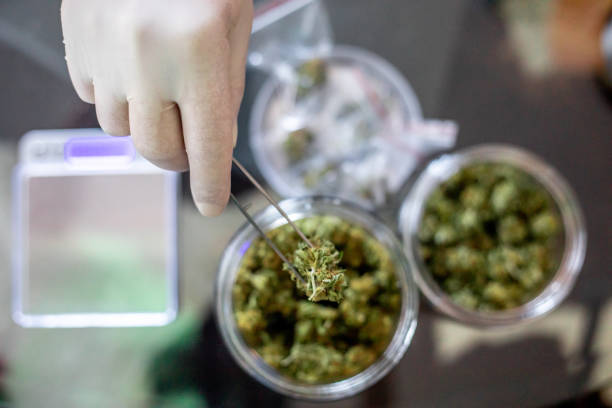
Innovations Shaping the Weed Dispensary Staten Island Business Model
The cannabis industry is uniquely positioned at the intersection of technology, customer demand, and regulatory oversight. As dispensaries grow in popularity and legal acceptance, innovation plays a critical role in shaping their business models to remain competitive and efficient. Below are some key innovations influencing the modern dispensary landscape.
Technology Integration in Dispensary Operations
- Point of Sale (POS) Systems: Advanced POS systems tailored for cannabis businesses integrate inventory tracking with real-time sales data. These systems streamline transactions while ensuring compliance with local laws regarding purchase limits and product tracking.
- Seed-to-Sale Tracking Software: Many jurisdictions require cannabis businesses to monitor all stages of production and distribution. Seed-to-sale software automates this process, ensuring transparency and regulatory compliance.
- E-commerce Platforms: Online ordering systems allow customers to browse menus and make purchases digitally, providing convenience while reducing wait times in-store.
- Data Analytics: By analyzing sales trends, customer preferences, and operational costs, dispensaries can make data-driven decisions to optimize inventory management and pricing strategies.
Emphasis on Customer-Centric Experiences
- In-Store Design Innovation: Modern dispensaries often feature sleek designs resembling luxury boutiques or wellness centers rather than traditional retail stores. This shift helps destigmatize cannabis use while creating a welcoming environment for diverse customers.
- Educational Resources: Many dispensaries now employ trained staff or “budtenders” who can guide customers through product selections based on individual needs or preferences.
- Personalized Recommendations: Leveraging consumer data through loyalty programs or apps allows dispensaries to offer tailored suggestions based on past purchases.
Delivery Services & Omnichannel Sales
As convenience becomes a top priority for consumers, many dispensaries are adopting delivery services as part of their business model. With proper regulatory approvals, these services include same-day delivery options that cater to both medical patients unable to visit physical locations and recreational users seeking privacy.
Additionally, an omnichannel approach integrates brick-and-mortar stores with online platforms for seamless shopping experiences. Customers can choose between purchasing in-store or online with curbside pickup options for added flexibility.
| Feature | Benefit | Example |
| In-App Ordering | Streamlines purchasing process | Allows quick order placement via mobile |
| Real-Time Inventory Updates | Reduces stock issues | Prevents customers from selecting unavailable products |
| Subscription Models | Encourages repeat purchases | Monthly boxes catering to specific needs |
Sustainability Initiatives in Cannabis Retail
- Eco-Friendly Packaging: Reducing single-use plastics by offering biodegradable or recyclable packaging solutions.
- Energy-Efficient Facilities: Utilizing LED lighting and renewable energy sources within cultivation facilities linked to dispensary operations.
- Waste Reduction Programs: Partnering with companies specializing in recycling used vape cartridges or other cannabis-related waste products.
The Role of Social Equity Programs
Many states have begun implementing social equity measures aimed at diversifying ownership within the cannabis industry. Dispensaries are increasingly aligning their business models with these initiatives by hiring from underrepresented communities or partnering with minority-led suppliers.
By leveraging innovative technologies, prioritizing sustainability measures, and implementing customer-focused strategies, modern dispensaries are setting new standards for efficiency and success within the rapidly evolving cannabis market.
- Essential Etiquette Tips for Visiting a Marijuana Dispensary Staten Island for the First Time
- Exploring the Economics of the Marijuana Industry and Its Impact on Cannabis Stores in Staten Island, NY
- Navigating Compliance Risks for Staten Island Dispensary Owners
- Exploring How a Cannabis Store in Staten Island, NY Can Achieve Profitability and Success
- Navigating Weed Etiquette: Essential Tips for Customers at a Weed Dispensary Staten Island
- Exploring Cannabis Products: Your Complete Guide to Choosing the Right Options at a Staten Island Dispensary
- The Ultimate Guide to Visiting a Weed Dispensary Staten Island for the First Time