
The marijuana industry has experienced significant growth over the past decade, driven largely by increasing legalization across the globe. This shift is not only reshaping societal norms but also creating profound economic implications, particularly for dispensaries operating at the forefront of cannabis retail. Understanding these economic dynamics reveals how dispensaries have become a cornerstone of this evolving industry.
Market Growth and Revenue Potential
- Retail sales: Dispensaries offer diverse product lines, including flower, edibles, concentrates, and topicals, catering to both medicinal and recreational users.
- Supply chain contributions: Dispensary operations drive demand for growers (cultivation), manufacturers (product creation), and logistics providers (distribution).
- Job creation: Retail storefronts employ budtenders, managers, security staff, marketing professionals, and more.
Economic Ripple Effects
- Employment Opportunities
Dispensaries are vital job creators within communities where they operate. From front-line staff to administrative roles within corporate structures, they provide opportunities across various skill levels. - Full-time staff such as budtenders
- Part-time workers for compliance or inventory management
- Specialized roles like product consultants or quality testers
- Real Estate Development
Cannabis dispensaries often occupy retail spaces that might otherwise remain vacant. This revitalization drives up property values in surrounding areas and encourages additional business development. - Community Investments
Many dispensaries engage in philanthropic activities or participate in local initiatives as part of corporate social responsibility programs.
Consumer Behavior Trends Impacting Dispensary Economics
Shifting consumer preferences also directly shape the economics of dispensary operations: – Increasing demand for high-quality organic products – Rising interest in CBD-focused items with therapeutic benefits – Preference for pre-rolls and convenience-based options
Dispensaries that align their inventory with these trends are better positioned to thrive economically.
| Trend | Impact on Dispensary Economics |
| Rising consumer demand | Higher revenue potential |
| Preference for organic | Increased focus on sustainable suppliers |
| CBD popularity | Expansion into wellness-focused markets |
The Role of Pricing Strategies
Pricing models play a crucial role in shaping dispensary profitability: – Competitive pricing helps attract price-sensitive customers. – Premium pricing is viable for exclusive strains or high-end products. – Loyalty programs can incentivize repeat purchases while increasing customer retention.
Dispensaries must strike a balance between affordability and profitability to remain viable while adhering to tax obligations and regulatory compliance costs.
Challenges Influencing Economic Dynamics
While the market presents substantial opportunities for growth, dispensary operators face numerous economic hurdles: – High taxation rates reduce profit margins. – Lack of access to traditional financial services increases operational complexity. – Regulatory compliance costs can strain smaller enterprises.
Addressing these challenges requires innovative approaches such as leveraging digital payment solutions or optimizing supply chain efficiencies.
Through their integral role in driving revenue generation, employment opportunities, and community development initiatives, dispensaries remain at the heart of marijuana’s economic landscape—a position that is expected to strengthen as legalization expands further globally.
How Legalization is Driving Job Creation at a Staten Island Dispensary
The legalization of cannabis has had a profound impact on job creation, helping to establish a robust and rapidly growing sector that spans multiple industries. From cultivation to retail, legalization has opened the door for thousands of new employment opportunities across diverse roles. This section explores how the cannabis industry is driving job creation and building economic resilience in regions where it has been legalized.
How a Marijuana Dispensary Staten Island is Driving Job Growth Along the Cannabis Supply Chain
- Growers
- Horticulturists
- Quality control specialists
- Trimmers and harvesters
- Extraction technicians
- Product developers (edibles, tinctures, etc.)
- Packaging engineers
- Lab technicians (for potency and safety testing)
- Budtenders (sales associates)
- Inventory managers
- Delivery drivers (in states permitting delivery services)
- Marketing specialists
- Legal consultants specializing in cannabis law
- Accountants familiar with tax regulations specific to cannabis businesses
- IT professionals for seed-to-sale tracking systems
This diverse array of roles underscores how legalization creates opportunities not just for direct cannabis workers but also for those in ancillary industries.
Regional Job Growth Trends
| State | Year Legalized | Jobs Created (2023)* |
| California | Medical: 1996 / Recreational: 2016 | ~83,000 jobs |
| Colorado | Medical: 2000 / Recreational: 2012 | ~43,000 jobs |
| Michigan | Medical: 2008 / Recreational: 2018 | ~35,000 jobs |
*Source: Cannabis Employment Report
As more states continue to legalize cannabis use, these numbers are expected to rise significantly.
Benefits Beyond Retail Jobs
- Research & Development: Universities and private labs are creating specialized research positions to study marijuana’s medicinal properties or develop innovative products.
- Cannabis Tourism: In states like Colorado or California, dispensary tours and cannabis-friendly events attract visitors from across the globe—boosting local economies while creating service industry jobs.
- Education & Certification Programs: Educational institutions are offering certification programs on topics such as cultivation techniques or compliance regulations.
Broader Economic Impacts of Job Creation
- States benefit from increased tax revenue generated by newly employed workers.
- Communities see reduced unemployment rates in areas where dispensaries operate.
- Small businesses providing goods or services specific to this sector (e.g., specialized lighting equipment or soil) experience increased demand.
Overall, the continued expansion of legal cannabis markets highlights not only its potential as an economic driver but also its ability to foster sustainable job growth across various sectors. By providing employment opportunities at multiple skill levels—from entry-level retail positions to advanced scientific research—the industry continues its trajectory as a significant contributor to workforce development nationwide.
Tax Revenue Generation: How Dispensaries Contribute to Economic Growth
The cannabis industry, driven largely by dispensaries, has become a significant contributor to local, state, and national economies. As legalization continues to expand across various jurisdictions, the tax revenue generated by dispensaries plays a critical role in funding public programs and fostering economic development.
The Tax Structure in Cannabis Retail
- Applied specifically to cannabis sales.
- These taxes are often charged at the wholesale or retail level. For instance, California imposes a 15% excise tax on the gross receipt of all cannabis products.
- Charged on cannabis products at the point of retail purchase.
- Rates vary by state and municipality. For example, Colorado imposes a 15% sales tax on recreational marijuana.
- Additional taxes imposed by cities or counties.
- Local governments often use these funds for community services such as education, infrastructure improvements, or addiction treatment programs.
| State | Excise Tax Rate | Sales Tax Rate | Local Tax |
| California | 15% | Standard rate | Up to 10% |
| Colorado | 15% | 15% (recreational) | Variable |
| Illinois | Tier-based (10-25%) | Standard rate | City-specific rates |
| Oregon | None | 17% | Up to 3% |
How Dispensary Taxes Benefit Communities
- Education Funding: Some states allocate cannabis revenue toward improving public education systems. For example:
- Colorado directs millions annually from its marijuana excise tax into public school construction projects.
- Public Health Initiatives: Programs targeting substance abuse prevention and mental health services benefit significantly from cannabis taxes.
- Infrastructure Development: Many municipalities use cannabis-derived taxes to fund road repairs, public transportation upgrades, and community development initiatives.
- Law Enforcement & Regulation Compliance Efforts: Revenue is also directed toward overseeing compliance with regulatory frameworks and ensuring safe operations within the industry.
Broader Economic Impacts
- Job Creation Leading To Income Taxes:
Dispensaries create thousands of jobs annually—from budtenders and inventory managers to marketing professionals—leading to increased income tax collections at both state and federal levels. - Property Taxes Through Real Estate Usage:
With many urban areas seeing an increase in real estate demand for dispensary locations, property values rise accordingly—boosting property tax contributions within local jurisdictions. - Cannabis Tourism:
States like Nevada have seen increased tourist foot traffic due to legalized recreational marijuana sales—a phenomenon that extends beyond just dispensaries but also boosts lodging, dining, and entertainment sectors.
Challenges with Over-Taxation
- High rates can push consumers toward illicit markets where prices are lower but unregulated.
- Dispensary owners face challenges maintaining competitive pricing while adhering to stringent reporting requirements and tax obligations.
Finding a balance between generating necessary revenue while keeping businesses competitive remains an ongoing challenge within the cannabis industry’s regulatory framework.
Tax revenues from dispensaries represent one of the most compelling arguments for broad legalization efforts nationwide—offering states not only financial growth but also opportunities for reinvestment into critical sectors that benefit society as a whole.
Unlocking Opportunities with a Weed Dispensary Staten Island Business Venture
The cannabis industry has grown exponentially over the past decade as more regions embrace legalization. This growth presents significant opportunities for entrepreneurs, investors, and ancillary businesses. Cannabis retail, in particular, has become a thriving segment within the broader industry. Dispensaries not only serve as the primary access point for consumers but also create avenues for economic growth and innovation.
Why Cannabis Retail is Lucrative
- High Consumer Demand: With increasing societal acceptance of marijuana for both medical and recreational purposes, demand continues to grow rapidly.
- Diverse Product Offerings: From dried flower and edibles to tinctures and topicals, dispensaries cater to a wide range of customer needs.
- Repeat Business Model: Like other retail industries, dispensaries benefit from repeat purchases driven by product efficacy or consumer lifestyle preferences.
Key Business Opportunities in Cannabis Retail
- Niche Product Development
Entrepreneurs can capitalize on niche trends such as organic cannabis products, low-potency options for beginners, or wellness-focused CBD treatments. - Location Expansion
Opening dispensaries in underserved areas where legal cannabis is permitted allows businesses to tap into new customer bases with minimal competition. - Tech Integration
Leveraging technology like e-commerce platforms and data analytics can enhance operational efficiency while improving customer experiences through personalized recommendations. - Brand Building
With competition ramping up, unique branding combined with quality service helps businesses establish trust and attract loyal customers.
Table: Examples of Innovative Cannabis Business Models
| Opportunity | Example | Benefit |
| Subscription Services | Monthly curated boxes of cannabis products | Simplifies purchasing process; fosters customer loyalty |
| On-Demand Delivery | Mobile apps offering same-day delivery | Convenience increases accessibility; draws tech-savvy consumers |
| Boutique Dispensaries | High-end stores with curated product lines | Targets luxury market; promotes premium pricing |
Challenges Facing Entrepreneurs in Cannabis Retail
- Regulatory Compliance: Cannabis laws vary widely by jurisdiction, requiring dispensary operators to keep up-to-date with compliance requirements such as licensing fees or packaging standards.
- Banking Restrictions: Many financial institutions hesitate to work with cannabis companies due to federal regulations in certain countries.
- Market Saturation: In mature markets like Colorado or California, competition among dispensaries has intensified significantly.
Tips for Success in the Cannabis Dispensary Industry
- Stay compliant by consulting legal experts familiar with local regulations.
- Conduct market research before launching operations—understanding your target demographic is key.
- Invest in education—train staff so they can provide knowledgeable customer service tailored toward individual needs.
By carefully strategizing operations and embracing innovation, entrepreneurs can thrive amidst both challenges and opportunities within this dynamic industry sector.

Understanding Market Expansion and Challenges in the Cannabis Dispensary Landscape
The cannabis dispensary industry has witnessed remarkable growth over the past decade, driven by legalization efforts and shifting societal attitudes toward marijuana. Despite its tremendous potential, market expansion in this sector is met with unique challenges that both new and established businesses must navigate. Understanding these factors is essential for operating a successful dispensary in an evolving landscape.
Factors Driving Market Expansion
- More states and countries are legalizing cannabis for medical and recreational use, creating new opportunities for dispensaries to enter untapped markets.
- Interstate commerce regulations have started to gain traction, allowing businesses to expand operations beyond state boundaries once federal laws evolve.
- A growing number of consumers are turning toward cannabis for wellness, recreation, and medical purposes. This rising demand encourages dispensaries to innovate with new products and services.
- Increased acceptance of cannabis among diverse demographic groups has broadened the potential customer base.
- Dispensaries now offer a wide array of options including flowers, edibles, tinctures, topicals, and concentrates to cater to varied consumer preferences.
- The introduction of high-CBD (non-psychoactive) products has opened the market further for consumers who prefer therapeutic benefits without intoxication.
- Online ordering systems and delivery services have made cannabis more accessible than ever before.
- Point-of-sale (POS) systems tailored specifically for dispensaries help streamline operations while ensuring compliance with local regulations.
Key Challenges in Market Expansion
- Cannabis remains federally illegal in the United States despite state-level legalization efforts. This creates a patchwork of laws that vary significantly by jurisdiction.
- Securing licenses can be expensive and highly competitive due to limited availability in many regions.
- Many financial institutions are hesitant to work with cannabis businesses due to federal restrictions.
- Lack of access to traditional banking services forces many dispensaries to operate on a cash-only basis, increasing operational risks.
- Cannabis businesses face higher tax rates due to Section 280E of the IRS tax code, which prohibits standard business deductions for entities involved in federally controlled substances.
- Despite growing public support for legalization, some communities remain hesitant about hosting dispensaries due to lingering misconceptions about crime or societal harm.
- Supply Chain Management | Supply Chain Issue | Impact on Dispensaries | Possible Solution | |————————-|—————————————|——————————————| | Limited Licensed Growers| Shortages or price volatility | Encourage partnerships with cultivators | | Distribution Bottlenecks| Delays in product availability | Invest in logistics infrastructure |
- Market Saturation As more states legalize cannabis use, competition within local markets can become intense, leaving smaller or less-resourced operators struggling against larger chains or franchises.
Strategies for Overcoming These Challenges
- Build strong relationships with policymakers through advocacy groups focused on fair legislation reform.
- Diversify revenue streams by incorporating ancillary services like educational workshops or community events around responsible usage.
- Leverage technology solutions such as seed-to-sale tracking software that ensures compliance while improving operational efficiency.
- Invest strategically in marketing campaigns aimed at destigmatizing cannabis while targeting niche consumer segments effectively.
Expanding within this rapidly changing industry requires foresight into both opportunities and barriers—dispensaries that adapt quickly while maintaining compliance stand the best chance at long-term success amidst these market dynamics.
Regulatory Challenges Facing the Growth of Modern Dispensaries
The growth of cannabis dispensaries is a dynamic economic story, but it is not without significant regulatory hurdles. These challenges often act as barriers to entry for entrepreneurs and obstacles to expansion for existing businesses. Understanding these issues is key to navigating the dispensary landscape.
Licensing Complexities
Obtaining a license to operate a dispensary can be an arduous and expensive process. Regulations vary significantly between states, counties, and even municipalities, creating a patchwork of requirements that businesses must navigate. Some common challenges include:
– High Application Costs: Application fees can range from thousands to hundreds of thousands of dollars depending on the jurisdiction.
– Limited License Availability: Many regions cap the number of licenses issued, making competition fierce for prospective applicants.
– Lengthy Approval Processes: Licensing processes can take months or even years, delaying business openings and increasing costs for applicants.
| State | Average License Fee (USD) | Approximate Approval Time |
| California | $5,000-$120,000 | 6-18 months |
| Colorado | $4,500-$15,000 | 3-9 months |
| Massachusetts | $10,000-$50,000 | 12-24 months |
Zoning Restrictions and Local Regulations
Zoning laws further complicate the ability to open or expand dispensaries. Many jurisdictions impose strict rules about where dispensaries can operate. Common restrictions include:
– Proximity Rules: Dispensaries are often required to be located a specific distance away from schools, parks, or other “sensitive” areas.
– Special Use Permits: Businesses may need additional permits beyond their license to meet local zoning requirements.
– Community Pushback: Even when regulations are met, community opposition can delay or block projects altogether.
Compliance Burdens
Cannabis remains federally illegal in the United States despite legalization at the state level in various forms. This creates significant compliance burdens for dispensaries trying to align with conflicting federal and state laws: – Inventory Tracking Requirements: Most states mandate seed-to-sale tracking systems to monitor every stage of production and sale. – Testing Standards: Cannabis products must undergo rigorous third-party testing for potency and contaminants like pesticides or heavy metals. – Cash Handling Restrictions: Due to federal restrictions on banking services for cannabis businesses (explored further under financial challenges), many dispensaries must operate primarily in cash while maintaining compliance with tax laws like Section 280E of the Internal Revenue Code.
Shifting Regulatory Environments
Cannabis legislation continues evolving rapidly at both state and municipal levels: 1. States introducing adult-use legalization require existing medical dispensaries to adjust operations. 2. Changes in packaging or labeling requirements force businesses to update practices quickly. 3. Some jurisdictions enact temporary moratoriums on new licenses as they evaluate market saturation levels.
Navigating these ever-changing landscapes requires dispensary operators to remain agile while staying informed about regulatory developments.
Strategies for Overcoming Challenges
Dispensary operators who proactively address regulatory hurdles are more likely to succeed long-term: – Hire specialized legal counsel familiar with cannabis law at both state and local levels. – Invest in robust compliance software that streamlines reporting and inventory tracking. – Build relationships with local officials and community leaders before applying for permits or licenses.
By understanding these regulatory challenges and implementing strategies to overcome them effectively, cannabis businesses can position themselves for sustainable growth despite external constraints.
The Role of Cultivation, Manufacturing, and Retail in Building Thriving Dispensary Businesses
The cannabis dispensary business operates as part of a complex ecosystem involving cultivation, manufacturing, and retail. Each component contributes significantly to the success of dispensaries. A strong understanding of how these aspects interact is essential for building a thriving cannabis business.
Cultivation: The Foundation of the Cannabis Industry
- Growing Environment: Indoor, outdoor, or greenhouse cultivation methods each have unique benefits and challenges. For example:
| Growing Method | Benefits | Challenges | |—————-|———————————–|————————————| | Indoor | Precise control over conditions | Higher energy costs | | Outdoor | Lower production costs | Vulnerable to weather fluctuations| | Greenhouse | Balance between cost & control | Requires substantial upfront investment | - Strain Selection: Choosing the right strains based on market demand (e.g., high-CBD or THC content) ensures that dispensaries can meet consumer preferences.
- Sustainability Practices: Water conservation, organic fertilizers, and renewable energy utilization are increasingly important for environmentally conscious consumers.
Manufacturing: Transforming Raw Materials into Products
Once cannabis is cultivated, it undergoes processing and manufacturing to create a variety of products that appeal to different customer segments. Key processes include extraction, refinement, and packaging.
- CO2 extraction for creating oils and concentrates
- Ethanol or solventless techniques for purer products
- Product Diversity: Manufacturers produce edibles, tinctures, topicals, vape cartridges, and more—enabling dispensaries to offer a wider array of options.
- Compliance Standards: Adherence to local regulations regarding potency labeling, child-resistant packaging, and contaminant testing ensures product safety.
Retail Operations in Dispensaries
Dispensaries form the consumer-facing arm of the industry where all these efforts culminate. Effective retail practices are critical for attracting customers and building loyalty.
- Staff must be knowledgeable about product types (e.g., indica vs sativa), dosages, usage methods.
- Educational materials such as brochures or digital displays can enhance customer experience.
- Stocking the right products based on purchasing trends avoids overstocking or shortages.
- Implementing point-of-sale data tracking can help optimize inventory decisions.
- A welcoming store layout with clear signage enhances navigation.
- Accessibility features such as ADA-compliant entrances can expand customer reach.
- Online ordering platforms with delivery services provide convenience.
- Ensuring compliance with age verification laws during online transactions is crucial.
Collaboration Between Sectors
- Transparent communication improves supply chain efficiency.
- Joint marketing initiatives can boost brand recognition across all sectors.
- Strategic partnerships may reduce costs while ensuring consistent supply quality.
By aligning efforts across cultivation, manufacturing, and retail sectors within the cannabis industry ecosystem—dispensary businesses can position themselves for sustainable growth while meeting evolving consumer demands effectively.
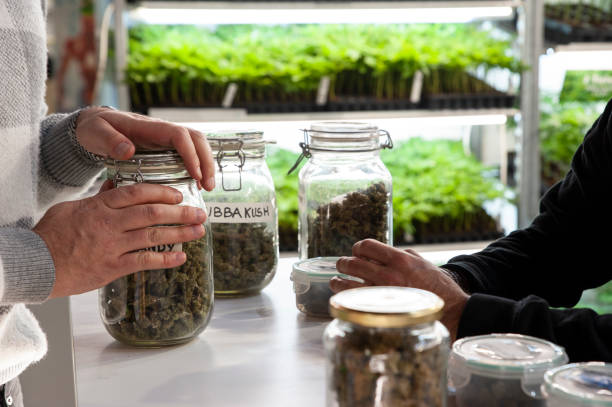
The Role of Cultivation, Manufacturing, and Retail in Building Thriving Dispensary Businesses
The cannabis industry relies on a well-integrated supply chain that connects cultivation, manufacturing, and retail operations. Each of these components plays a pivotal role in the success of dispensaries by ensuring product quality, diversity, compliance, and availability. Below is an exploration of how these elements come together to support thriving dispensary businesses.
Cultivation: The Foundation of Quality
Cultivation is the first step in the cannabis supply chain and serves as the foundation for all downstream operations. A well-maintained cultivation process ensures high-quality products that meet both regulatory standards and consumer expectations.
- Strain selection and research to cater to market demand (e.g., THC-dominant vs. CBD-rich strains).
- Use of sustainable practices such as water conservation and organic fertilizers.
- Investment in indoor, outdoor, or hybrid growing facilities depending on local regulations and climate.
- Navigating strict regulations regarding pesticide use and plant testing.
- Managing operational costs like lighting systems for indoor grow facilities.
Table: Comparison of Indoor vs Outdoor Cannabis Cultivation
| Aspect | Indoor Cultivation | Outdoor Cultivation |
| Cost | Higher (energy-intensive) | Lower overall costs |
| Control | Full control over growing conditions | Limited by climate/weather |
| Environmental Impact | Higher energy consumption | Eco-friendlier |
Manufacturing: Adding Value Through Processing
Manufacturing transforms raw cannabis into finished goods such as edibles, oils, tinctures, or concentrates. This stage adds value to the plant material, diversifies product offerings for dispensaries, and drives profitability.
- Edibles & Beverages: Gummy candies, chocolates infused with cannabinoids, ready-to-drink beverages.
- Concentrates: Products like shatter or wax for vaporization use.
- Topicals: Lotions or balms designed for localized relief without psychoactive effects.
- Maintaining compliance with stringent testing requirements (e.g., potency levels).
- Ensuring proper labeling to include dosage information and ingredient lists.
- Staying innovative to keep up with consumer trends like low-dose products or solvent-free extracts.
Retail Dispensaries: The Consumer Interface
Retail dispensaries serve as the final link between cannabis companies and consumers. A successful dispensary balances sourcing high-quality products from cultivators/manufacturers while creating a welcoming shopping experience for customers.
- Offering diverse product selections that cater to both medical patients (e.g., capsules) and recreational users (e.g., pre-rolls).
- Implementing customer education programs about strain effects or dosing recommendations.
- Utilizing technology like online ordering systems or loyalty programs to streamline operations.
- Compliance at Point-of-Sale (POS): Retailers must adhere strictly to location-based laws regarding age verification protocols & purchase limits per transaction/per day.
Synergy Between Supply Chain Components
1️⃣ Collaborative relationships between growers & manufacturers enable quicker turnaround times when developing new products; e.g., expedited extraction from newly harvested plants suited toward vape oil production-market needs shifting fast often .
2️⃣ Manufacturers supplying seasonal/limited-edition items empower retailers’ marketing opportunities during peak holiday seasons—this kind alignment crucial success n-impactful profit.
- Essential Etiquette Tips for Visiting a Marijuana Dispensary Staten Island for the First Time
- Exploring the Economics of the Marijuana Industry and Its Impact on Cannabis Stores in Staten Island, NY
- Navigating Compliance Risks for Staten Island Dispensary Owners
- Exploring How a Cannabis Store in Staten Island, NY Can Achieve Profitability and Success
- Navigating Weed Etiquette: Essential Tips for Customers at a Weed Dispensary Staten Island
- Exploring Cannabis Products: Your Complete Guide to Choosing the Right Options at a Staten Island Dispensary
- The Ultimate Guide to Visiting a Weed Dispensary Staten Island for the First Time