
Operating a cannabis dispensary comes with a unique set of challenges, particularly when it comes to compliance. Given the heavy regulation of the cannabis industry, dispensary owners must pay close attention to laws and guidelines at the federal, state, and local levels. Non-compliance can result in significant financial penalties, suspension of operations, or even permanent closure. Here’s an overview of the key compliance risks dispensary owners face and actionable strategies to mitigate them.
Navigating Licensing and Permit Issues for a Cannabis Store in Staten Island, NY
One of the most critical aspects of compliance is maintaining proper licenses and permits. Dispensaries often operate under multiple licenses that vary by jurisdiction.
- Retail licenses: Required for selling cannabis products directly to consumers.
- Transportation licenses: Necessary for moving products between suppliers and your dispensary.
- State-specific endorsements: Many states require additional endorsements or permits based on the type of cannabis being sold (e. , medical vs. recreational).
Failure to secure or renew these licenses on time can directly affect your ability to legally operate.
Key Steps to Stay Compliant: 1. Maintain an organized calendar with license renewal dates for each jurisdiction you operate in. 2. Assign a dedicated compliance officer or team member to monitor regulations and application timelines. 3. Conduct routine audits of your licensing documentation.
Overcoming Inventory Tracking Challenges at a Marijuana Dispensary in Staten Island
Inventory management is another area prone to compliance risks due to strict seed-to-sale tracking requirements in many states. Any discrepancies between inventory systems and physical stock can raise red flags with regulators.
Common Inventory Issues:
- Failure to log product movements accurately
- Discrepancies during physical inventory checks
- Improper disposal methods for expired or unused products
To address these issues, consider adopting reliable software solutions that integrate seamlessly with state-mandated tracking systems such as METRC.
Employee Training Gaps
Employees are often on the front lines of retail operations, making their knowledge critical for compliance efforts.
Best Practices for Employee Training:
- Regularly update staff on changing regulations.
- Provide detailed training modules covering essential topics like age verification protocols and product handling procedures.
- Require ongoing assessments or certifications for employees handling cannabis products.
Marketing Restrictions
Marketing your dispensary also requires careful navigation within strict advertising rules designed to prevent appeals to minors and misleading claims regarding health benefits.
Compliance Guidelines for Marketing:
| Do’s | Don’ts |
| Clearly label all advertisements as promoting cannabis products | Avoid using imagery that appeals to children (e.g., cartoon characters) |
| Use factual claims backed by evidence | Do not make unapproved medical claims about effects |
| Ensure all content complies with local advertising laws | Refrain from offering discounts that encourage overconsumption |
Financial Compliance Risks
Due to federal banking restrictions on cannabis businesses, many dispensaries rely heavily on cash transactions. This creates additional risks concerning financial reporting and tax compliance.
Strategies for Managing Financial Risks:
- Partner with cannabis-friendly banks or credit unions where possible.
- Implement robust point-of-sale (POS) systems that track all transactions accurately.
- Work with experienced accountants familiar with IRS Code 280E regarding deductions limited under federal law.
Understanding these key compliance risks is essential for building a successful cannabis dispensary while avoiding legal complications. By consistently monitoring regulations, investing in technology solutions, and prioritizing staff training, dispensary owners can minimize risk factors while maintaining operational integrity.
How Expired or Unsuitable Licenses Can Impact Your Weed Dispensary Staten Island
Maintaining proper licensing is one of the most critical aspects of operating a cannabis dispensary. Understanding how licensing issues can impact your dispensary allows you to mitigate risks proactively.
Penalties for Operating Without a Valid License
Dispensaries operating with expired or invalid licenses may face hefty penalties, including fines, business suspensions, or even permanent closure.
- Monetary fines:Many jurisdictions impose significant penalties for non-compliance. These fines can range from thousands to hundreds of thousands of dollars depending on your location.
- Revocation:In some cases, regulatory agencies may permanently revoke the license if violations are deemed egregious.
Legal Ramifications
Operating without an appropriate license is considered a violation of local and state laws. This could result in lawsuits, criminal charges, or additional legal costs.
- Dispensary owners may be held personally liable for any illegal activity during the time their license was invalid.
- A revoked or suspended license might also tarnish the reputation of the business within the industry.
Impact on Business Operations
Failure to maintain valid licensing disrupts day-to-day operations significantly.
- Halting product sales:Regulatory agencies often require businesses with expired licenses to stop selling cannabis products immediately.
- Loss of suppliers:Vendors may hesitate to work with dispensaries that are not compliant with licensing laws.
- Customer trust erosion:Consumers expect regulated products from licensed retailers; losing a valid license can harm customer loyalty.
Steps to Avoid Licensing Issues
Proactively managing your dispensary’s compliance ensures uninterrupted operations and avoids unnecessary risks.
- Implement renewal tracking systems:Use digital tools or software solutions that send alerts when a license renewal deadline approaches.
- Review licensing requirements regularly:Stay updated on local and state regulations as they often change over time.
- Hire compliance experts:Partnering with consultants who specialize in cannabis law ensures you meet all necessary obligations.
- Maintain organized documentation:Keep records of all permits, renewals, inspections, and correspondence with regulatory bodies.
| Licensing Challenge | Potential Solution |
| Missed renewal deadlines | Use automated systems for reminders |
| Unfamiliarity with regulations | Seek legal counsel specializing in cannabis law |
| Difficulty managing paperwork | Digitize records for easy storage and access |
Importance of Ongoing Compliance
Licensing compliance is not just about meeting regulations but also about fostering consumer trust and building credibility in an increasingly competitive market. By prioritizing proper licensing practices at every stage—whether launching your dispensary or expanding operations—you safeguard your business against preventable risks while cultivating long-term success in this growing industry.
Why Security Measures Are Crucial for Cannabis Retail Compliance in Dispensaries
Security is one of the most critical aspects of cannabis retail compliance. As dispensaries operate in a heavily regulated environment, ensuring safety and adhering to legal requirements helps protect business operations, customers, and employees. Below, we will explore why robust security measures are essential for your dispensary and how they contribute to overall compliance.
Preventing Theft and Diversion
Dispensaries store high-value products and manage significant cash flow due to banking restrictions faced by the cannabis industry. These factors make them targets for theft or diversion.
- Installing surveillance systems to monitor all activities within and around the premises.
- Maintaining secure storage areas with restricted access to employees only.
- Implementing point-of-sale (POS) systems that track inventory in real time to avoid product mismanagement or discrepancies.
By addressing these vulnerabilities, dispensaries can safeguard their assets while maintaining compliance with local laws requiring inventory tracking and physical security measures.
Staying Compliant with State or Local Regulations
Every jurisdiction has its own set of cannabis regulations that include mandatory security requirements.
– 24/7 video camera monitoring covering all entry points, sales areas, and storage zones.Secure entry systems such as keycard access or biometric authentication for restricted areas.Alarm systems connected directly to law enforcement or monitoring centers.
Failing to meet these requirements can result in hefty fines or even license revocation, which could jeopardize your entire business operation.
Ensuring Employee Safety
Cannabis dispensary employees may face higher risks compared to other retail sectors due to the nature of the products sold and the cash-heavy business model.
- Conducting regular safety training sessions on handling emergencies like theft or robbery.
- Installing panic buttons at key locations inside the store.
- Hiring trained security personnel during operating hours.
A secure workplace helps boost employee morale while reducing turnover rates—a vital aspect of running a successful dispensary.
Building Trust with Customers
Customers value businesses that prioritize their safety and privacy. Investing in high-quality security not only protects customer data but also enhances their experience by creating a safe environment where they feel comfortable shopping.
- Using encrypted networks for online sales transactions.
- Ensuring customer identification information is stored securely per data protection laws.
- Having visible but non-intrusive security personnel around entrances and exits.
Establishing trust builds long-term loyalty, which is vital for sustaining success in such a competitive market.
| Security Measure | Purpose | Compliance Requirement |
| 24/7 Surveillance Cameras | Monitors activity on premises | Mandatory in most states |
| Restricted Access Systems | Limits access to sensitive areas | Common requirement |
| POS Systems Linked to Inventory | Tracks every sale to prevent diversion | Required by regulators |
| Alarm Integration | Alerts authorities during unauthorized access | Strongly recommended |
Reducing Liability Risks
A lack of proper security can expose dispensaries to lawsuits related to negligence if an incident occurs on-site due to inadequate precautions. Legal claims from customers or employees for preventable incidents like thefts can tarnish your reputation while causing financial strain through settlements or damages.
Strengthening your dispensary’s physical and digital defenses minimizes liability risks while demonstrating commitment toward responsible operations—a factor regulators often evaluate when approving licenses or conducting inspections.
Investing in comprehensive security strategies is not only a regulatory necessity but also a foundation for long-term success in the cannabis retail space.
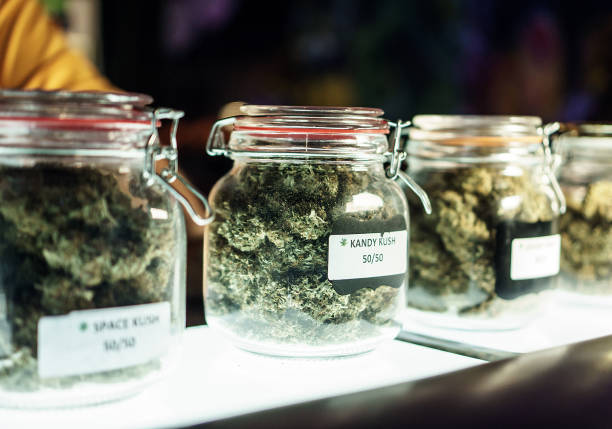
The Importance of Following Product Safety Laws in the Cannabis Industry
Adhering to product safety laws is one of the most critical responsibilities for any cannabis dispensary owner. These regulations are designed to ensure that all products sold to consumers meet strict safety and quality standards.
Why Product Safety Laws Matter
- Consumer Health Protection: Ensuring that cannabis products are free from harmful contaminants like pesticides, mold, or heavy metals safeguards public health.
- Product Integrity: Accurate labeling provides transparency about THC/CBD levels, ingredients, and potential allergens.
- Preventing Liability: Selling unsafe or improperly labeled products can expose dispensaries to costly lawsuits or recalls.
Compliance with these regulations is essential not only for protecting your customers but also for fostering trust within your community.
Key Areas of Cannabis Product Safety Regulations
Dispensaries must navigate a complex web of safety rules.
- Mandatory testing is often required by state law to ensure products meet specific potency and purity standards.
- Pesticides
- Microbial contaminants (e.
- Residual solvents (from extraction processes)
- Products must be sold in child-resistant packaging.
- THC/CBD content percentages
- Production batch numbers
- Expiration dates
- Clear instructions for use and warnings about potential side effects.
- States may require manufacturers or dispensaries to track expiration dates for perishable products like edibles or tinctures. Selling expired goods could jeopardize customer safety.
- Maintaining detailed records through seed-to-sale systems ensures traceability.
- Documentation can include lab results, supplier details, and inventory logs.
Common Challenges in Compliance
- Differing state-by-state regulations leading to inconsistencies in compliance requirements.
- Difficulty sourcing reliable labs with quick turnaround times for testing.
- Managing recalls in the event that a product fails regulatory scrutiny.
By staying informed about changes in local laws and maintaining robust internal protocols, dispensary owners can overcome these challenges effectively.
Best Practices for Ensuring Product Safety Compliance
- Conduct regular staff training on local and state compliance requirements.
- Partner with third-party labs recognized by regulatory bodies for thorough product testing.
- Use digital inventory systems or seed-to-sale tracking software to monitor all aspects of production and sales.
- Routinely audit suppliers to ensure they follow proper cultivation/production standards.
- Stay updated on any changes or amendments to local cannabis laws impacting your operations.
Summary Table of Key Compliance Measures
| Compliance Area | Requirement | Benefit | Example Action |
| Testing | Lab analysis for potency & contaminants | Ensures consumer health & confidence | Partner with certified labs |
| Packaging | Child-resistant containers | Prevents accidental consumption | Use tamper-proof containers |
| Labeling | Accurate ingredient & potency details | Promotes transparency | Include batch #s on all labels |
| Record-Keeping | Detailed tracking via software | Enables traceability | Invest in seed-to-sale software |
By prioritizing these measures at every stage of operations, dispensary owners can safeguard their customers’ trust while thriving within a highly regulated market environment.
Enhancing Your Dispensary Operations with Dependable Technology Solutions
Running a successful cannabis dispensary requires more than just stocking quality products—it demands efficient operations, seamless customer experiences, and strict compliance with complex regulations. Reliable technology solutions play a pivotal role in supporting these goals.
Streamlining Inventory Management
Inventory management is one of the most critical—and challenging—aspects of running a dispensary. Dependable point-of-sale (POS) systems equipped with inventory tracking features can help you monitor stock levels in real time, prevent overstocking or understocking, and ensure compliance with state-mandated reporting requirements.
Key Features to Look for in Inventory Technology:
– Real-Time Tracking:Monitor product movement from procurement to sale.
– Automated Reordering:Set thresholds for automatic reorders when stock runs low.
– Compliance Integration:Ensure data is automatically reported to state seed-to-sale systems.
| Feature | Benefit | Example Software Options |
| Real-Time Tracking | Prevents discrepancies and ensures accuracy | Flowhub, Greenbits |
| Automated Reordering | Reduces manual errors and time spent on restocking | Leaflogix, Cova |
| Compliance Reporting | Simplifies adherence to legal mandates | METRC-integrated POS solutions |
Improving Customer Experience Through Technology
Technology directly impacts how customers perceive your business. By integrating advanced tools into your operations, you can elevate their shopping experience while strengthening loyalty.
Effective Customer-Facing Technologies:
– Online Ordering Platforms:Offer convenience through pre-orders and curbside pickup options.Digital Menus and Kiosks:Provide detailed product information easily accessible to customers inside the store.Loyalty Programs Software:Automate rewards tracking and targeted promotions based on purchasing habits.
Enhancing Security Measures with Tech Solutions
Security is non-negotiable for cannabis dispensaries due to the high-value nature of both inventory and cash transactions. Advanced technology solutions can strengthen security protocols while maintaining operational efficiency.
Critical Security Technologies for Dispensaries:
– Surveillance Systems:Install cameras with high-resolution imaging covering all key areas of the facility.Access Control Systems:Implement employee badge systems or biometric locks to restrict access to sensitive areas like storage rooms.Cash Management Tools:Use smart safes or cash recyclers that reduce manual handling and improve accuracy during reconciliation.
Encouraging Data-Driven Decision Making
Modern technology enables dispensary owners to gather actionable insights from daily operations, helping them make informed decisions that drive growth while optimizing resources.
Adopt Analytics Tools That Provide Insights Into Areas Such As:
1. Sales trends by product category or brand.
2. Peak store hours for adjusting staffing levels effectively.
3. Marketing campaign performance metrics (e. , return on investment).
Benefits of Integrating Technology into Dispensary Operations
- Increased efficiency by automating time-consuming manual tasks.
- Enhanced regulatory compliance through automated reporting tools.
- Better customer retention through personalized service offerings.
- Improved operational transparency via real-time data accessibility.
Investing in dependable technology isn’t just about staying competitive—it’s about building a sustainable foundation for long-term success in the ever-evolving cannabis industry landscape.

Top Tips for Avoiding Illegal Sales and Building a Reputable Cannabis Dispensary
Operating a cannabis dispensary comes with unique challenges, especially when it comes to maintaining compliance and avoiding illegal sales. These practices are not only essential for protecting your business from legal trouble but also for building a trustworthy reputation among customers. Below are some actionable tips to help you achieve both goals.
Know and Adhere to Local Regulations
Understanding and adhering to your local, state, and federal regulations is the cornerstone of avoiding illegal sales. Since cannabis laws vary widely depending on location, dispensary owners must stay up-to-date with changes in legislation.
- Licensing requirements
- Permissible product limits per transaction
- Age verification protocols (e.
- Tax compliance laws
Make sure your staff is trained on these regulations as part of their onboarding process. Regular refresher courses can also help ensure continued compliance.
Implement Robust Transaction Monitoring Systems
Investing in technology that tracks all transactions can significantly reduce the risk of unintentional illegal sales. Point-of-sale (POS) systems specifically designed for cannabis dispensaries can help monitor purchase limits, flag potential irregularities, and maintain accurate records.
Benefits of Transaction Monitoring Systems:
– Prevents exceeding state-mandated purchasing limits
– Identifies suspicious or duplicate transactions
– Automatically calculates applicable taxes based on jurisdiction
| Feature | Benefit | Example |
| Purchase Limit Tracking | Ensures compliance with legal limits | Blocks sales exceeding daily purchase caps |
| ID Scanning | Verifies customer age | Detects fraudulent or expired identification |
| Audit Trail | Strengthens regulatory reporting | Provides clear records during inspections |
Choosing dependable software designed specifically for cannabis retail can save your business time during audits and inspections.
Train Employees on Compliance Protocols
Your employees are the first line of defense in preventing illegal sales.
1.Identifying Valid IDs:Teach employees how to recognize fake or expired identification documents. 2.Recognizing Impaired Customers:Selling to visibly intoxicated individuals is often prohibited by law. 3.Explaining Regulations to Customers:Sometimes customers may not understand why certain restrictions apply—equip your staff with the knowledge to address such situations professionally.
Regularly updating employee knowledge ensures they remain vigilant as laws evolve.
Establish Clear Policies for Handling Violations
Even with preventative measures in place, mistakes can happen.
- Immediate documentation of the incident
- Prompt reporting to relevant regulatory authorities (if required)
- Retraining employees involved in the incident
- Reviewing internal procedures to prevent repeat occurrences
These steps demonstrate accountability and commitment to operating a compliant business.
Build Trust Through Transparency
- Display licenses prominently within the store and online.
- Clearly outline return policies consistent with local regulations.
- Educate customers on why compliance matters—for example, explain how regulated products ensure safety compared to black-market alternatives.
By fostering trust through transparency, you’ll attract loyal clientele who value integrity in their cannabis purchases.
Maintaining strict compliance not only protects your business from hefty fines or license suspensions but also serves as a foundation for long-term success in this competitive industry. With these strategies in place, you’ll be well-positioned to operate both legally and ethically while earning customer trust over time.
- Essential Etiquette Tips for Visiting a Marijuana Dispensary Staten Island for the First Time
- Exploring the Economics of the Marijuana Industry and Its Impact on Cannabis Stores in Staten Island, NY
- Navigating Compliance Risks for Staten Island Dispensary Owners
- Exploring How a Cannabis Store in Staten Island, NY Can Achieve Profitability and Success
- Navigating Weed Etiquette: Essential Tips for Customers at a Weed Dispensary Staten Island
- Exploring Cannabis Products: Your Complete Guide to Choosing the Right Options at a Staten Island Dispensary
- The Ultimate Guide to Visiting a Weed Dispensary Staten Island for the First Time